Grade B refurbished electronics occupy the middle ground between pristine Grade A units and heavily worn Grade C stock. You'll save money compared to Grade A, but you'll live with visible scratches, dents, and wear marks that tell the story of the device's previous life.
The crucial point: Grade B means the functionality is identical to Grade A. The processor won't run slower because of a scratched lid, the screen won't dim because of case scuffs. You're trading cosmetic perfection for cold, hard cash savings.
What Grade B Actually Looks Like
Grade B devices show obvious signs of previous use that you'll notice immediately upon unboxing. Expect scratches on metal surfaces, worn spots where hands naturally rest, and possible small dents from drops or impacts. The corners of laptops often show wear from being slid in and out of bags.
On laptops, you'll typically see keyboard shine where fingers have worn the key surfaces smooth. Trackpads may show discolouration from oils and use. The exterior casing will have scratches, particularly on the lid and base.
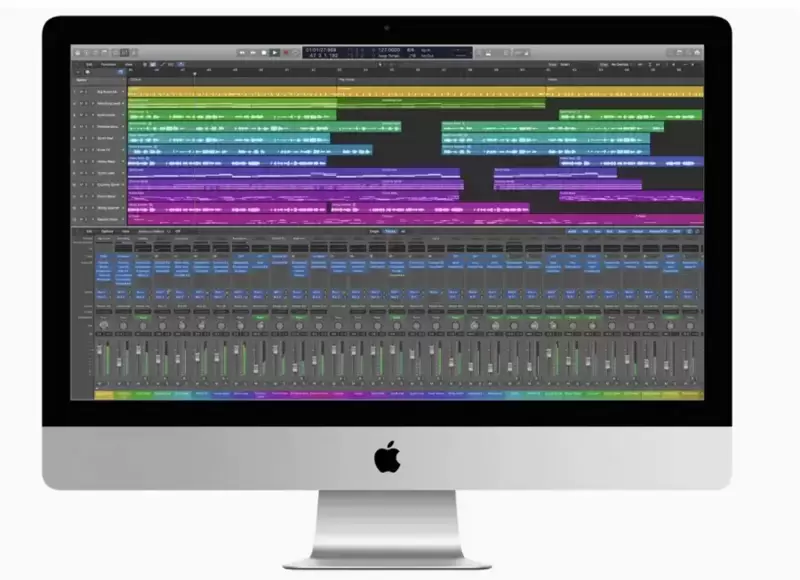
Desktop machines like the refurbished iMac 27" 2017 at £280 might have scratches on the aluminium stand or back panel, but crucially, the screen itself will be fully functional without dead pixels or major damage.
Grade B vs Grade A: The Real Differences
Grade A units look nearly new with minimal signs of use—perhaps light scratches only visible under certain lighting conditions. Grade B devices wear their history openly. You'll spot the difference across a room.
Take our MacBook Pro examples: a 13" Grade B model costs £369, whilst Grade A versions typically command £50-100 more. The Grade B machine might have a scratched lid, worn palmrests, and keyboard shine, but it boots just as fast and runs applications identically.
The 16" MacBook Pro Grade B at £749 represents excellent value for a machine that would cost over £2,000 new. Yes, it looks used, but the performance remains uncompromised.
What Grade B Guarantees (And What It Doesn't)
✅ What You Get
- Full functionality across all hardware components
- Original performance specifications
- All ports, buttons, and features working properly
- Screen free from cracks or dead pixels
- Battery holding reasonable charge (typically 80%+ of original capacity)
- 12-month warranty coverage
- Professional cleaning and testing
- Cosmetic perfection
- Original packaging or accessories (unless specifically stated)
- The satisfaction of owning something that looks new
- Resale value equivalent to Grade A units
❌ What You Don't Get
When Grade B Makes Perfect Sense
Grade B suits buyers who prioritise function over form and want maximum computing power per pound spent. If you're buying a work laptop that will live in a sleeve or case, the cosmetic imperfections become irrelevant quickly.
For desktop computers like that iMac 27" 2017 Grade B, the scratches on the back become invisible once positioned on your desk. You're staring at the screen, not the aluminium casing.
Students and small businesses often find Grade B the sweet spot—professional capability without the premium price. The Microsoft Surface Pro 7 at £239 in Grade A condition shows how Grade B pricing works across brands.
When to Avoid Grade B
Skip Grade B if you're buying a gift, need something presentable for client meetings, or simply can't tolerate visible wear. Some people find scratched devices psychologically distracting, which undermines productivity.
If you're buying for resale or planning to upgrade within a year, Grade A units hold their value better. The initial premium often pays for itself through stronger resale prices.
Real-World Grade B Examples From Current Stock
The iMac 27" 2017 Grade B at £280 demonstrates Grade B value perfectly. This machine originally sold for over £1,700 new and still handles demanding tasks like photo editing and development work. Surface scratches and case wear don't affect the gorgeous 5K display or quad-core performance.
Our MacBook Pro 13" Grade B at £369 shows typical laptop wear—keyboard shine, trackpad discolouration, and case scratches. But it runs the latest macOS smoothly and provides genuine MacBook Pro performance at a fraction of the new price.
The 16" MacBook Pro Grade B at £749 represents serious professional capability despite cosmetic compromises. This machine competes with £2,000+ new laptops in everything except appearance.
The Honest Verdict
Grade B refurbished electronics offer the best price-to-performance ratio if you can stomach visible wear. You're buying proven, tested hardware at substantial savings—typically 20-30% less than equivalent Grade A stock.
Buy Grade B if you're practical about technology, focused on capability over cosmetics, and want maximum computing power for your budget. The 12-month warranty from established retailers like Buyer Area (Companies House No. 07830466) provides confidence in the purchase.
Avoid Grade B if cosmetic condition affects your satisfaction or if you need something that looks professional for business use. In those cases, stretch to Grade A or consider whether Grade C might offer acceptable compromises at even lower prices.
The key insight: Grade B means you're buying yesterday's premium hardware at today's sensible prices, complete with the battle scars to prove it's been genuinely useful to someone else.